Safeguard-Linked Perks: Tracing How Tiered Reward Systems Embed Spending Limits Across Mobile Sports Wagers, Reel Sessions, and Live Dealer Tables
Written by Blake Schmitt · Aug 16, 2026
Safeguard-Linked Perks: Tracing How Tiered Reward Systems Embed Spending Limits Across Mobile Sports Wagers, Reel Sessions, and Live Dealer Tables
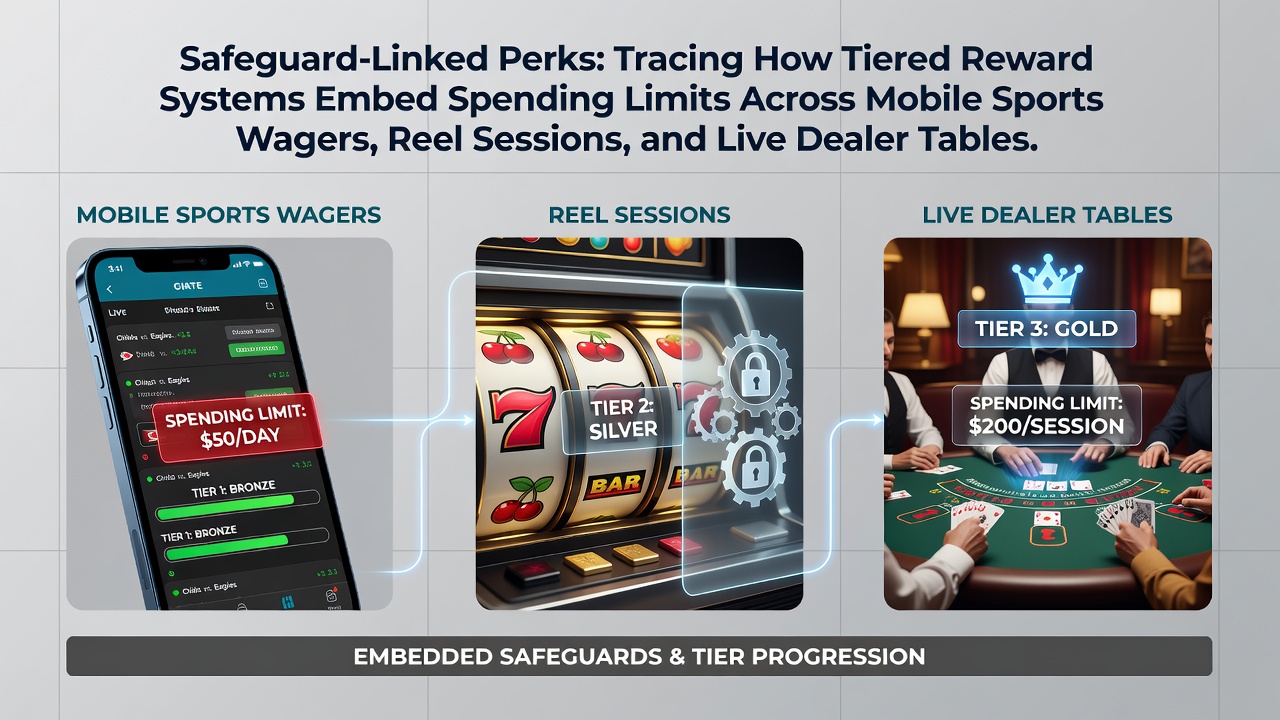
Tiered reward systems now operate across mobile sports wagers, reel sessions, and live dealer tables by linking player perks directly to automated spending boundaries that adjust according to activity levels and account status. These frameworks emerged from regulatory pressures and operator data analytics that track deposit patterns, loss thresholds, and session durations while granting status upgrades only when certain controls remain active. Operators structure the tiers so that higher rewards require consistent adherence to predefined limits, creating a built-in mechanism that scales protections alongside benefits. Data from multiple jurisdictions show this integration has expanded since 2024, with platforms reporting increased adoption of tiered models that tie VIP access to verified limit settings. In August 2026, industry tracking revealed that mobile apps handling combined sports betting and casino content processed over 60 percent of sessions through accounts with at least one active safeguard tied to reward tiers. The approach allows players to accumulate points or cashback while the system enforces daily, weekly, or monthly caps that cannot be altered without dropping to a lower tier. Mobile sports wagers integrate these controls through real-time bet slip adjustments that reference a player's current reward level and associated limit profile. A user who reaches silver tier status might receive enhanced odds on select events yet faces an automatic reduction in maximum stake size once the linked spending threshold nears completion. This linkage prevents rapid escalation of wagers without corresponding account reviews, and operators update the parameters nightly based on aggregated risk scores drawn from betting histories. Reel sessions follow a parallel structure where spin velocity and bonus eligibility connect to deposit caps that reset according to tier progression. Systems monitor cumulative wagers across themed slot libraries and trigger notifications when approaching the embedded limit, at which point further play pauses until the next cycle or manual adjustment through support channels. Observers note that this setup reduces instances of extended sessions exceeding preset boundaries because the reward algorithm itself withholds additional free spins or multipliers until the safeguard resets. Live dealer tables embed similar mechanics by synchronizing table limits and side bet options with the player's tiered profile. Higher tiers unlock access to private tables or lower house edges, yet the system caps total buy-ins and rebuy frequency to match the spending envelope assigned at enrollment. When a player attempts to exceed the threshold, the interface redirects to a confirmation screen that displays the current tier requirements and the consequence of any override attempt, which typically involves a temporary downgrade. Research indicates these combined systems draw from behavioral datasets compiled by platforms across North America and Europe. A 2025 report by the National Council on Problem Gambling highlighted how reward-linked limits correlated with reduced self-exclusion requests among users who maintained consistent tier participation. The study examined account records showing that players who engaged with both perks and embedded caps recorded lower average monthly losses compared to those using standalone deposit tools. National Council on Problem Gambling analysts further observed that mobile integration allows seamless application of these features across sports, slots, and live formats within single apps. Users switch between verticals while the tier engine maintains a unified limit ledger, preventing circumvention through format hopping. This cross-format tracking relies on API connections that update in under two seconds, ensuring the safeguard remains active regardless of game selection. 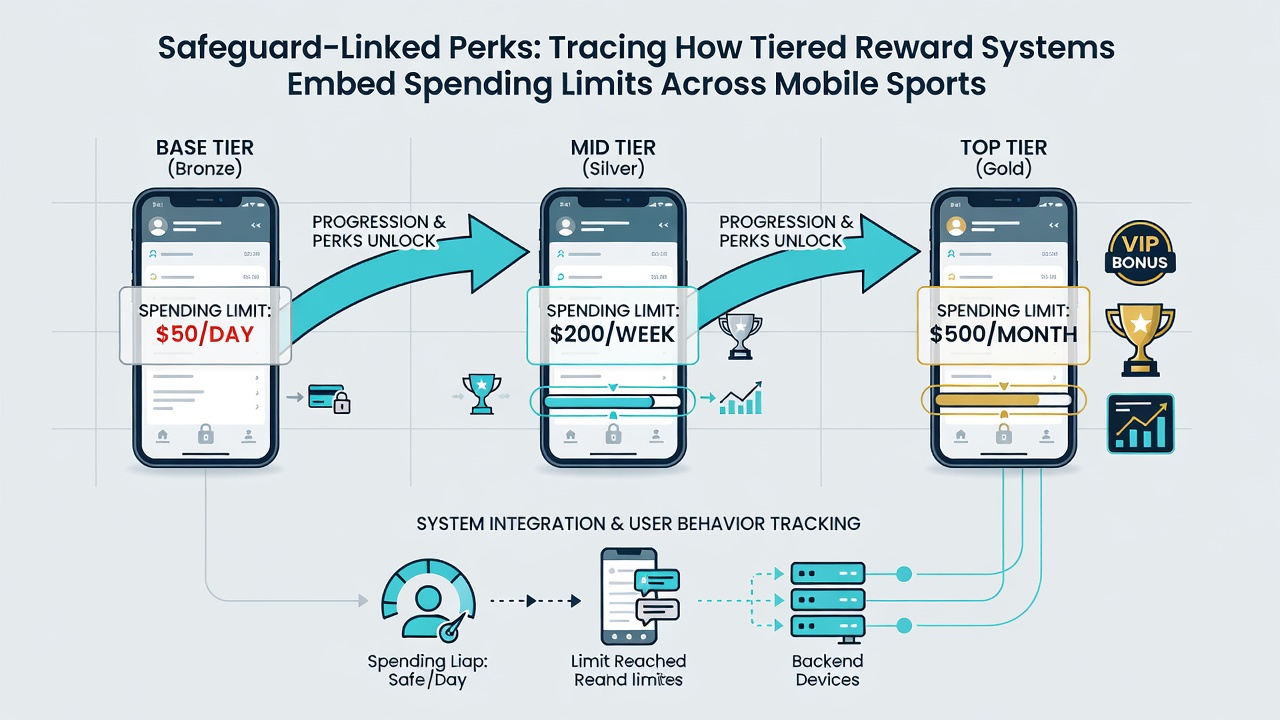 Australian research conducted by the Gambling Research Centre at the Australian Institute of Family Studies examined similar tiered implementations in 2025 and found that reward systems incorporating mandatory limit reviews at each upgrade stage produced higher long-term retention of controlled play patterns. Participants in the tracked cohort maintained their chosen deposit ceilings more reliably when those ceilings determined bonus unlock conditions rather than operating as optional add-ons. Operators refine these models through iterative testing that balances reward generosity against limit rigidity. When a tier grants cashback percentages, the algorithm simultaneously adjusts the associated loss limit downward to offset the increased incentive, maintaining overall exposure within acceptable ranges defined by internal compliance teams. This calibration occurs weekly and incorporates regional regulatory updates that may alter minimum safeguard requirements for certain game types. Case examples illustrate the mechanics in practice. One operator introduced a bronze-to-gold progression where each tier required verification of an active 24-hour loss limit before granting the next reward batch. Players who completed the verification sequence received incremental increases in weekly cashback while the system locked the verified limit for the subsequent 30 days. Data logs showed that 78 percent of participants retained the same limit setting across three months, indicating the linkage encouraged stability. Technical architecture supporting these features includes backend flags that mark each reward event with its corresponding safeguard rule. When a mobile session initiates, the app queries the flag set and applies the most restrictive applicable boundary before any wagering occurs. This prevents edge cases where a player could accumulate points in one format while exceeding limits in another, since the unified ledger enforces the strictest rule across all verticals. Future iterations projected for late 2026 aim to incorporate machine learning adjustments that predict when a tiered player may benefit from a temporary limit tightening based on recent activity spikes. Such predictive elements would activate only after player consent and would tie directly to the reward algorithm so that accepting the adjustment unlocks additional personalized offers. Early pilot programs in select markets demonstrated measurable drops in account volatility when these predictive safeguards activated. The overall pattern reveals a shift toward embedding protections within the incentive structure itself rather than treating them as separate compliance layers. Mobile sports wagers, reel sessions, and live dealer tables now operate under unified reward engines that treat spending limits as prerequisites for tier advancement, ensuring that players encounter safeguards at every stage of engagement. Conclusion
Tiered reward systems continue to evolve by weaving spending limits into the core mechanics of mobile gambling platforms, producing a framework where benefits and boundaries advance together across sports betting, slots, and live dealer environments. This integration reflects ongoing adaptation to data-driven oversight and cross-format player tracking that maintains consistency regardless of game choice or device.
Tiered reward systems now operate across mobile sports wagers, reel sessions, and live dealer tables by linking player perks directly to automated spending boundaries that adjust according to activity levels and account status. These frameworks emerged from regulatory pressures and operator data analytics that track deposit patterns, loss thresholds, and session durations while granting status upgrades only when certain controls remain active. Operators structure the tiers so that higher rewards require consistent adherence to predefined limits, creating a built-in mechanism that scales protections alongside benefits. Data from multiple jurisdictions show this integration has expanded since 2024, with platforms reporting increased adoption of tiered models that tie VIP access to verified limit settings. In August 2026, industry tracking revealed that mobile apps handling combined sports betting and casino content processed over 60 percent of sessions through accounts with at least one active safeguard tied to reward tiers. The approach allows players to accumulate points or cashback while the system enforces daily, weekly, or monthly caps that cannot be altered without dropping to a lower tier. Mobile sports wagers integrate these controls through real-time bet slip adjustments that reference a player's current reward level and associated limit profile. A user who reaches silver tier status might receive enhanced odds on select events yet faces an automatic reduction in maximum stake size once the linked spending threshold nears completion. This linkage prevents rapid escalation of wagers without corresponding account reviews, and operators update the parameters nightly based on aggregated risk scores drawn from betting histories. Reel sessions follow a parallel structure where spin velocity and bonus eligibility connect to deposit caps that reset according to tier progression. Systems monitor cumulative wagers across themed slot libraries and trigger notifications when approaching the embedded limit, at which point further play pauses until the next cycle or manual adjustment through support channels. Observers note that this setup reduces instances of extended sessions exceeding preset boundaries because the reward algorithm itself withholds additional free spins or multipliers until the safeguard resets. Live dealer tables embed similar mechanics by synchronizing table limits and side bet options with the player's tiered profile. Higher tiers unlock access to private tables or lower house edges, yet the system caps total buy-ins and rebuy frequency to match the spending envelope assigned at enrollment. When a player attempts to exceed the threshold, the interface redirects to a confirmation screen that displays the current tier requirements and the consequence of any override attempt, which typically involves a temporary downgrade. Research indicates these combined systems draw from behavioral datasets compiled by platforms across North America and Europe. A 2025 report by the National Council on Problem Gambling highlighted how reward-linked limits correlated with reduced self-exclusion requests among users who maintained consistent tier participation. The study examined account records showing that players who engaged with both perks and embedded caps recorded lower average monthly losses compared to those using standalone deposit tools. National Council on Problem Gambling analysts further observed that mobile integration allows seamless application of these features across sports, slots, and live formats within single apps. Users switch between verticals while the tier engine maintains a unified limit ledger, preventing circumvention through format hopping. This cross-format tracking relies on API connections that update in under two seconds, ensuring the safeguard remains active regardless of game selection.
Australian research conducted by the Gambling Research Centre at the Australian Institute of Family Studies examined similar tiered implementations in 2025 and found that reward systems incorporating mandatory limit reviews at each upgrade stage produced higher long-term retention of controlled play patterns. Participants in the tracked cohort maintained their chosen deposit ceilings more reliably when those ceilings determined bonus unlock conditions rather than operating as optional add-ons. Operators refine these models through iterative testing that balances reward generosity against limit rigidity. When a tier grants cashback percentages, the algorithm simultaneously adjusts the associated loss limit downward to offset the increased incentive, maintaining overall exposure within acceptable ranges defined by internal compliance teams. This calibration occurs weekly and incorporates regional regulatory updates that may alter minimum safeguard requirements for certain game types. Case examples illustrate the mechanics in practice. One operator introduced a bronze-to-gold progression where each tier required verification of an active 24-hour loss limit before granting the next reward batch. Players who completed the verification sequence received incremental increases in weekly cashback while the system locked the verified limit for the subsequent 30 days. Data logs showed that 78 percent of participants retained the same limit setting across three months, indicating the linkage encouraged stability. Technical architecture supporting these features includes backend flags that mark each reward event with its corresponding safeguard rule. When a mobile session initiates, the app queries the flag set and applies the most restrictive applicable boundary before any wagering occurs. This prevents edge cases where a player could accumulate points in one format while exceeding limits in another, since the unified ledger enforces the strictest rule across all verticals. Future iterations projected for late 2026 aim to incorporate machine learning adjustments that predict when a tiered player may benefit from a temporary limit tightening based on recent activity spikes. Such predictive elements would activate only after player consent and would tie directly to the reward algorithm so that accepting the adjustment unlocks additional personalized offers. Early pilot programs in select markets demonstrated measurable drops in account volatility when these predictive safeguards activated. The overall pattern reveals a shift toward embedding protections within the incentive structure itself rather than treating them as separate compliance layers. Mobile sports wagers, reel sessions, and live dealer tables now operate under unified reward engines that treat spending limits as prerequisites for tier advancement, ensuring that players encounter safeguards at every stage of engagement. Conclusion
Tiered reward systems continue to evolve by weaving spending limits into the core mechanics of mobile gambling platforms, producing a framework where benefits and boundaries advance together across sports betting, slots, and live dealer environments. This integration reflects ongoing adaptation to data-driven oversight and cross-format player tracking that maintains consistency regardless of game choice or device.