How Digital Gateways Fuse Player Protections With Loyalty Tiers Across Mobile Wagers And Dealer Tables
Written by Willa Vogel · Aug 14, 2026
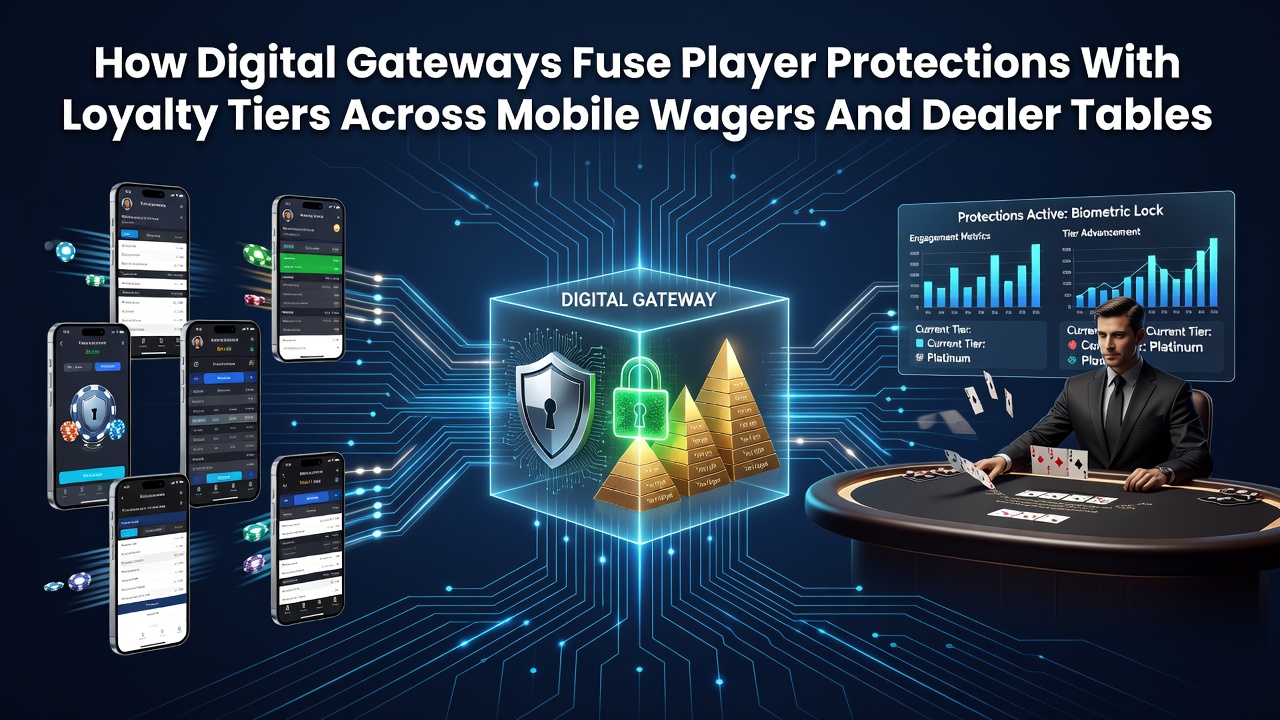
How Digital Gateways Fuse Player Protections With Loyalty Tiers Across Mobile Wagers And Dealer Tables
Digital gateways now connect mobile wagers and dealer tables through unified systems that link loyalty tiers directly to player protection tools, and operators track activity across slots, table games, and live streams in real time. Data from August 2026 shows increased adoption of these integrated platforms as mobile traffic accounts for over 70 percent of remote wagering volume in multiple jurisdictions.
Platform Architecture and Cross-Channel Tracking
Mobile apps and web gateways pull together sports stakes, slot sessions, and live dealer interactions into single player profiles, while algorithms assign loyalty points based on total handle and session duration. These same profiles flag risk indicators such as rapid deposit spikes or extended play periods, triggering automated interventions that adjust tier benefits or impose temporary limits without removing the account from reward programs entirely. Researchers at the University of Nevada, Las Vegas have documented how such architectures reduce manual review times by up to 40 percent compared with siloed systems.
Loyalty Tiers Meet Built-In Safeguards
Entry-level tiers typically grant basic cashback and bonus spins, yet they also embed default deposit caps and reality-check prompts that users can modify only after completing a short assessment. Higher tiers unlock faster withdrawals and exclusive dealer tables, but they require periodic reaffirmation of spending thresholds and offer opt-in tools like loss-limit reminders that scale with tier status. Observers note that this structure keeps elite members engaged while maintaining consistent access to protection features across both mobile wagers and dealer tables.
Mobile Wagers and Real-Time Controls
Smartphone interfaces display loyalty progress alongside spend trackers that update after every bet, and users can adjust session timers or set cooling-off periods directly from the same dashboard. When a player approaches a pre-set threshold, the gateway pauses further wagers until the user confirms continuation or selects a lower limit, preserving accumulated points and tier status throughout the process. Figures from the American Gaming Association reveal that platforms using this dual-display method report higher retention among mid-tier members during the first six months of enrollment.

Live Dealer Tables and Tiered Protections
Live dealer environments integrate the same gateways by embedding protection toggles within the table interface, allowing players to request seat-time limits or stake reductions without leaving the stream. Loyalty points continue to accrue during restricted sessions, and tier perks such as priority table access remain available once the chosen limit resets. Operators in regulated markets have reported that this continuity reduces abrupt exits from premium tables while still meeting mandatory responsible-gaming standards.
Data Sharing and Regulatory Alignment
Gateways transmit anonymized activity summaries to oversight bodies in multiple regions, and these reports help calibrate tier requirements to align with local harm-minimization rules. In August 2026 several Canadian provinces updated guidance that encourages operators to link loyalty multipliers to verified responsible-gaming certification, creating an incentive for players who maintain balanced play patterns. Similar frameworks appear in Australian state regulations, where tier advancement now factors in completion of voluntary limit-setting modules.
Case Examples from Integrated Operators
One major platform introduced a tier system in early 2026 that awards bonus credits only after players review and confirm their current protection settings, resulting in a measurable uptick in voluntary limit usage across mobile sports and dealer verticals. Another operator linked table-game comps to session-length caps, and data showed that players who accepted the combined offer maintained longer overall tenure without exceeding personal spend targets. These examples illustrate how the fusion of rewards and safeguards operates in practice rather than as separate add-ons.
Conclusion
Digital gateways continue to evolve by embedding protection mechanisms inside loyalty frameworks for both mobile wagers and dealer tables, and regulatory updates through 2026 reinforce this convergence. The result is a single player journey where tier progression and harm-reduction tools advance together, supported by real-time data flows and cross-jurisdictional reporting standards.