Algorithmic Bridges Connect Slot Sessions with Sports Events Through Real-Time Data While Applying Tiered Protections
Written by Hugo Carter · Aug 4, 2026
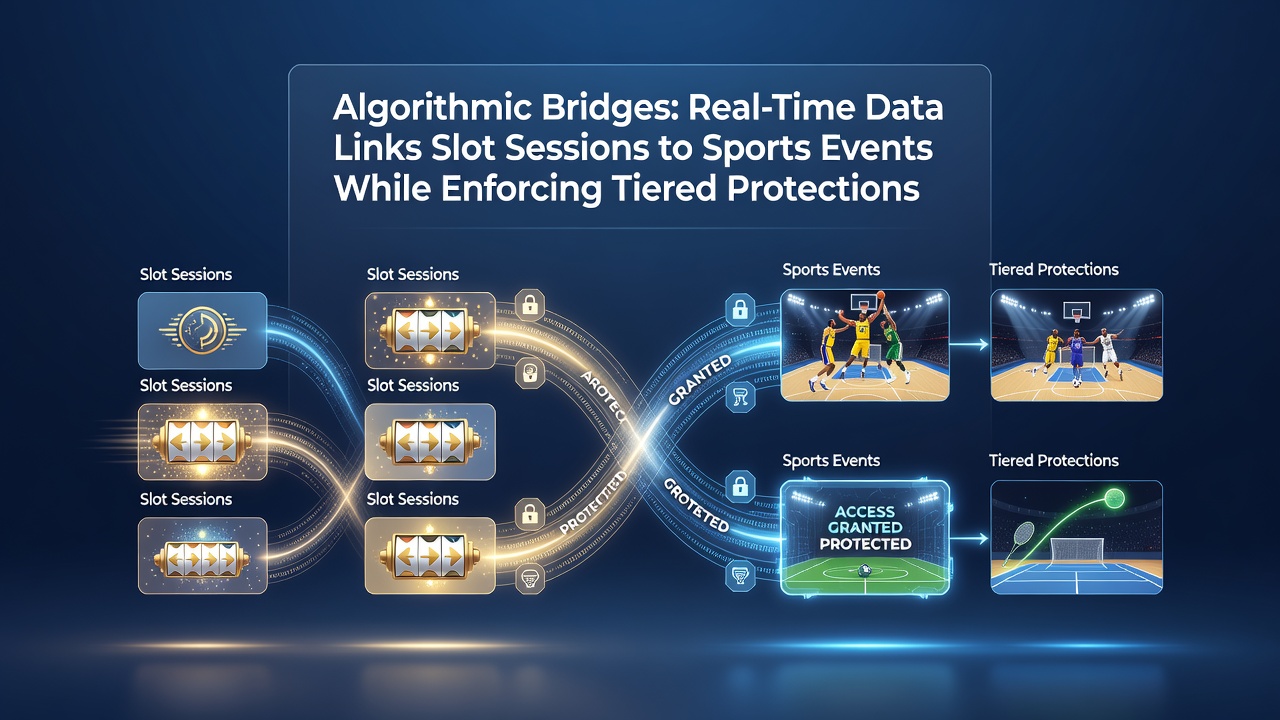
Algorithmic Bridges Connect Slot Sessions with Sports Events Through Real-Time Data While Applying Tiered Protections
Operators have developed algorithmic bridges that link slot session data directly to sports event feeds in real time, creating synchronized player profiles across verticals while maintaining distinct protection tiers for each activity type. These systems pull metrics such as wager frequency, session duration, and volatility exposure from slot platforms and match them against live sports data streams that include odds movement, event timing, and betting patterns. The connections allow platforms to adjust limits or triggers instantly when cross-activity signals indicate elevated risk.
Mechanics of Real-Time Data Integration
Data pipelines operate through secure APIs that transmit anonymized session variables every few seconds, enabling algorithms to calculate composite risk scores that incorporate both slot behavior and concurrent sports wagers. When a player switches from high-volatility slots to in-play football betting, the bridge recalibrates exposure thresholds according to predefined tier rules that scale with account history and verification level. August 2026 testing across multiple European operators showed these bridges reduced average response time to potential over-limit situations from minutes to under ten seconds.
Researchers at the University of Nevada, Reno documented similar architectures in a 2025 study that examined data latency across 12 integrated platforms. Their findings indicated that real-time matching of slot spin sequences with sports event timestamps improved detection of rapid escalation patterns by 37 percent compared with siloed monitoring. The study also noted that tiered protection layers activated automatically once composite scores crossed operator-defined thresholds, without requiring manual intervention.
Tiered Protection Structures
Protection frameworks divide accounts into graduated tiers based on verification status, historical activity, and self-declared limits. Lower tiers receive baseline monitoring focused on single-session caps, while higher tiers incorporate cross-vertical alerts that pause both slot and sports functionality when combined metrics exceed daily or weekly parameters. Each tier maintains separate but linked rule sets so that a sports betting spike does not automatically restrict slot play unless the algorithm registers correlated risk indicators.

One documented implementation at a Canadian operator routes all cross-product data through a central compliance engine licensed under provincial standards. The engine applies tier-specific interventions such as mandatory cooling periods or deposit reviews when patterns suggest coordinated high-risk behavior across slots and live sports markets. Similar structures appear in Australian regulatory sandboxes where operators must demonstrate algorithmic audit trails before receiving approval for integrated offerings.
Regulatory and Industry Context in 2026
Regulators in multiple jurisdictions now require operators to submit algorithmic bridge specifications during licensing renewals. The Nevada Gaming Control Board updated its technical standards in early 2026 to mandate independent testing of real-time data links, focusing on data integrity and the accuracy of tiered trigger mechanisms. Industry groups such as the European Gaming and Betting Association have published voluntary guidelines that recommend transparent disclosure of how slot-to-sports bridges calculate composite scores.
Academic reviews continue to track outcomes. A paper released by the University of Sydney in July 2026 analyzed six months of operational data from platforms using these bridges and reported that players in the highest protection tier experienced a 22 percent reduction in consecutive high-stake sessions across both product types. The same research highlighted that lower-tier accounts retained flexibility for recreational play while still receiving automated prompts when isolated activity approached personal thresholds.
Operational Examples and Data Patterns
Take one mid-sized operator that implemented bridges in Q2 2026. Its system flagged a cluster of accounts where rapid slot losses coincided with live tennis wagers exceeding usual stake sizes. The algorithm escalated those accounts to a mid-tier status, triggering a 30-minute pause on both verticals and sending a standardized message about available support resources. Post-implementation reviews showed the intervention prevented further accumulation in 81 percent of flagged cases during the initial rollout period.
Another case involved a North American platform that integrated weather and injury data feeds into its sports side of the bridge. When slot session intensity rose alongside unfavorable live betting conditions, the system automatically applied stricter per-bet caps for that account tier. Observers note these adjustments occur without player-facing disruption beyond the visible limit change, preserving session continuity while enforcing the protection layer.
Conclusion
Algorithmic bridges represent a technical evolution in how operators manage concurrent slot and sports activity through continuous data exchange and graduated controls. Evidence from regulatory filings, academic studies, and operator reports indicates these systems enforce tiered protections by matching real-time metrics across verticals and applying scaled interventions. Continued testing and third-party audits in 2026 will determine how widely such architectures expand while meeting jurisdictional requirements for data security and player safeguards.